Visiting the Bajau Villages of Mola, Wakatobi
More than ten thousand Bajau live in the stilt villages of Mola on Wangi-Wangi. How to visit with a local guide, and what a half-day there includes.
Budaya7 menit baca
Mola is a pair of Bajau stilt villages in Southeast Sulawesi. They stand on the southern shore of Wangi-Wangi, the largest island of Wakatobi. Mola Selatan and Mola Utara together are home to more than ten thousand people. Visitors are welcome. A half-day visit with a local guide covers the morning market, a boatbuilder at work and a home-cooked lunch over the water.
Not "sea nomads"
Travel writing often calls the Bajau "sea nomads". That label puts them in the past, and it was a poor frame even then. It is true that, for long periods of the twentieth century, many Bajau Laut lived on small houseboats called lepa-lepa. They travelled from reef to reef and beach to beach over the Sulawesi and Sulu seas. Today most Bajau Laut in this region live in the two Mola villages.
Mola is a settled community. The children attend school. The village has a clinic and a mosque. Its market starts at 5 a.m. and is over by midday. This guide describes the village as it is now.
Getting there
Wangi-Wangi is the gateway island to Wakatobi National Park. Flights reach it from Makassar and from Kendari. The main town, Wanci, is on the north coast. Mola is about forty minutes south of Wanci by road. Its stilt houses line a shallow bay for some two kilometres.
Most people visit for half a day from Wanci, with a guide. At the time of writing, a one-way ojek (motorbike taxi) cost about €1.50, and a car with driver for half a day cost about €12. Check current prices locally.
Village etiquette
No permit is needed to enter Mola. The wooden walkways that link the houses are public. Residents do expect two things:
- Keep to the main walkways. Step onto a porch only if a family invites you.
- Pay the visitor contribution. The village office, close to the mosque, collects a small sum that supports the school. In 2026 it was €2.50 for each visitor. Pay it when you arrive.
The village enforces both rules, quietly but firmly.
Choosing a guide
On a first visit, take a guide. Ask the tourism office in Wanci for someone who lives in Mola. A Mola guide can introduce you to families, which an outsider cannot. Guides from other parts of the island do a competent job. Still, residents prefer that visitors arrive with one of their own people, and that preference is fair.
A half-day in Mola
The morning market
The market sets up along the central walkway. It runs from 05:30 until about 10:00, and it is busiest around 07:00. Night boats land the catch: rabbitfish, parrotfish, octopus and, now and then, a small reef shark. The first buyers are hotel cooks from Wanci. Whatever is left by mid-morning goes into village kitchens.
A boatbuilder at work
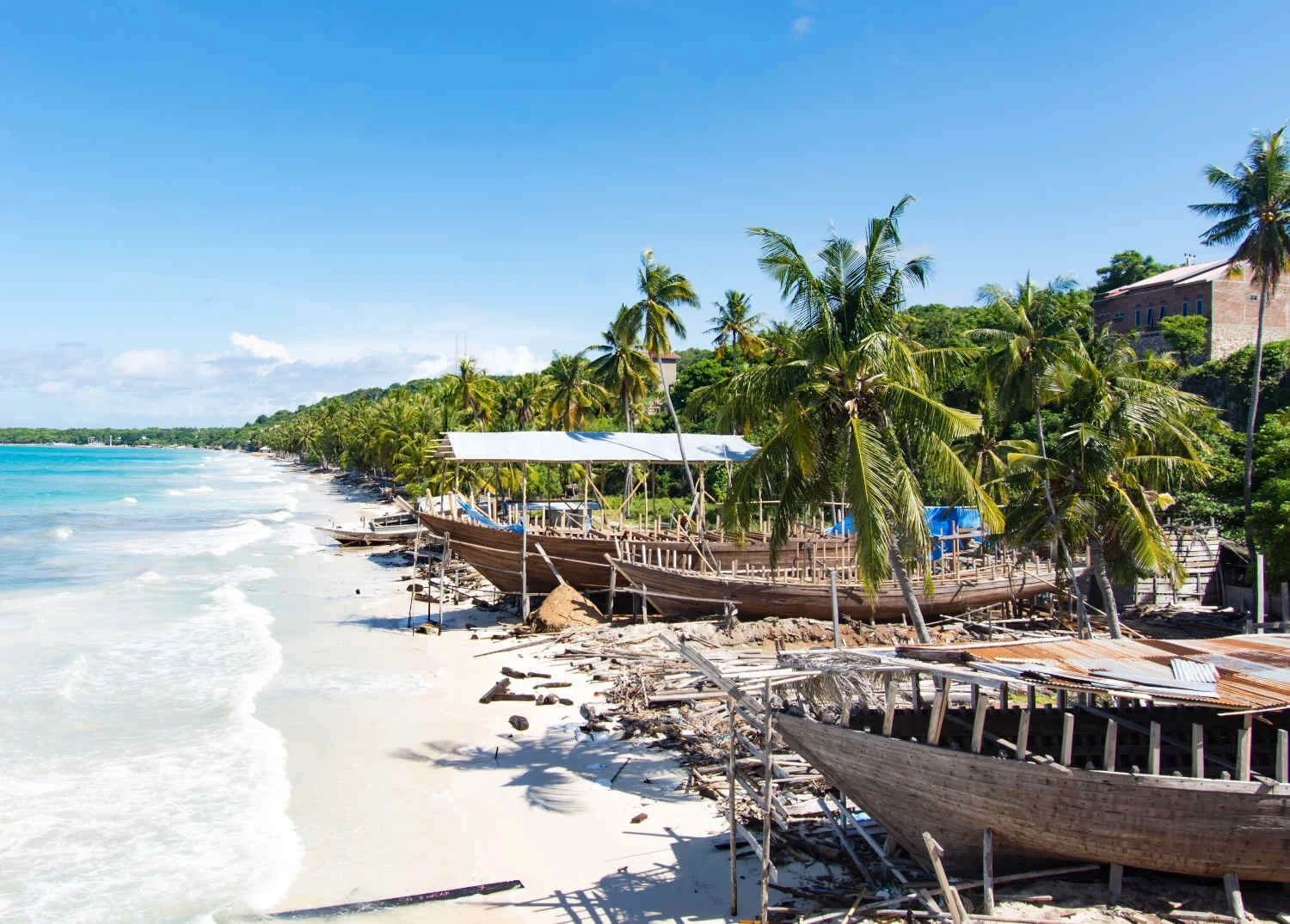
Some families still build wooden boats in the shallow water under their houses. They make small jukung and the bigger bagang, which are fishing platforms. Ask politely through the village office and you may be able to watch a build. You do not need to bring anything. You will probably be offered coffee.
The school project
The elementary school in Mola Selatan runs a project with the older fishermen. Together they record Bajau knowledge of navigation: the names of the winds, the patterns of the stars and the words for parts of the reef. If your visit falls on a recording day and someone introduces you, you may be able to sit in. The village office can tell you.
Lunch with a family
Mola has no restaurants. Some families cook for visitors if they get a few hours' notice. Expect grilled fish and rice. The usual price was around €4 per person when this was written. Your guide makes the arrangement.
Please do not ask for a freediving show
Some Bajau people can freedive to great depths. This ability is real and well recorded, and recent research has looked at its genetic basis. But Mola is not a stage. Documentary crews came, and since then families have been asked again and again to hold their breath for visitors. They are tired of it.
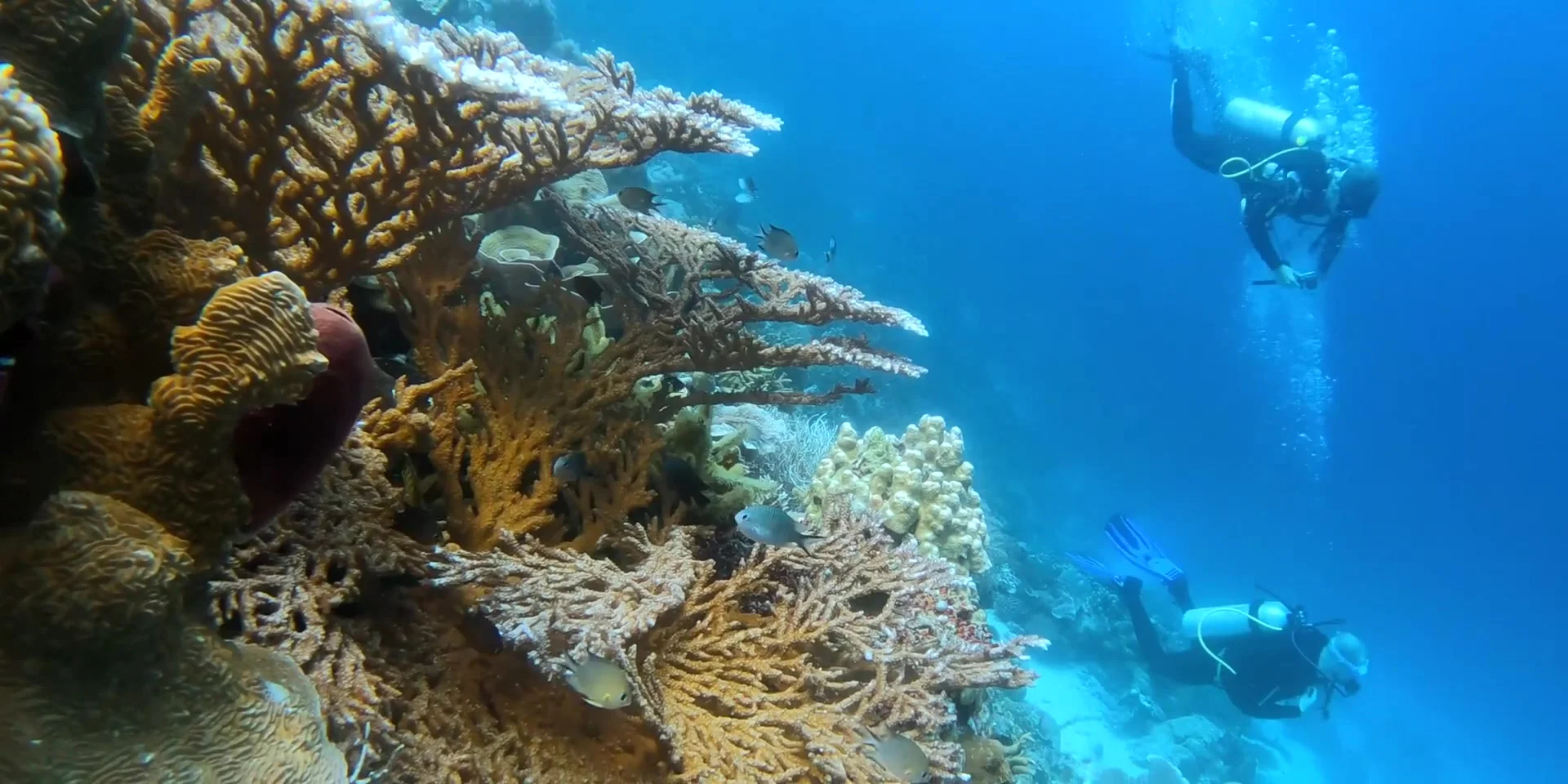
If you want to dive or freedive here, book with one of the small operators in Wanci. Several of them employ young men from Mola as guides. For them, diving is work, not entertainment.
Mola in a Wakatobi itinerary
Most people come to Wakatobi to dive, and most of the diving is further south, around Hoga and Tomia. Mola makes a good half-day on a rest day from diving. Add Liya old kraton and you have a full day of culture on the island. Liya is a fortified village from the seventeenth century, inland from Wanci. Two non-diving days are enough for the whole island.
Staying the night
Some travellers want to sleep in Mola itself. A few families offer overnight homestays, which the village office arranges. You sleep on a mattress on the floor of a family house, and the toilet sits over the sea. It is a real experience, but not a comfortable one. Most visitors prefer a half-day in Mola and a night in a Wanci hotel.
Recent changes in Mola
Two things have changed in the last decade. First, since 2022 most houses have piped water, so fetching water from wells is no longer the main morning task. Second, Bajau girls now enrol in school at nearly the same rate as boys, for the first time. Village elders name this change first when asked what has improved. Keep both facts in mind when you read older accounts of Mola.