Lembeh Strait Muck Diving: Five Critters to Find and Where They Live
Hairy frogfish, wonderpus, blue-ringed octopus, mandarin fish and flamboyant cuttlefish: the sites, the timing and the clues Lembeh guides look for.
Satwa liar7 menit baca
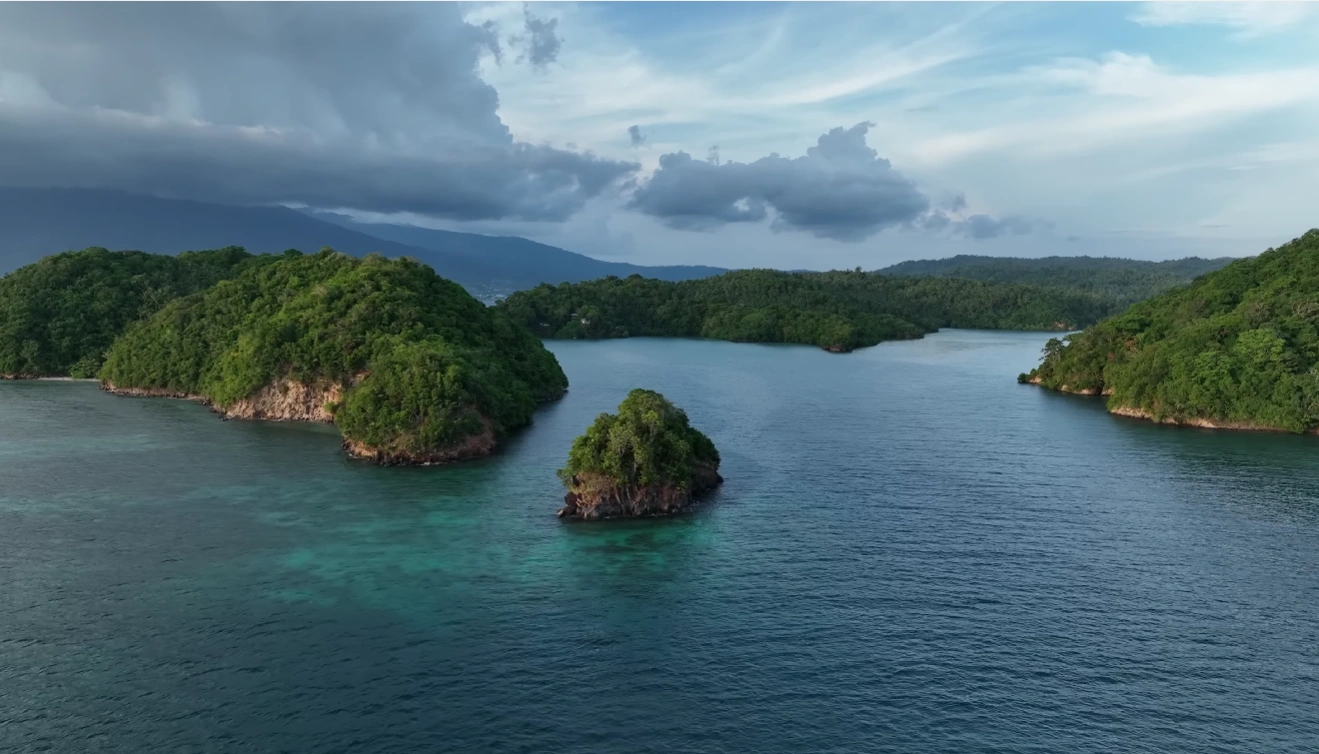
Five animals top most Lembeh wish lists: the mandarin fish, the hairy frogfish, the flamboyant cuttlefish, the wonderpus and the blue-ringed octopus. This guide covers each one: its behaviour, its sites in the strait, and the sign your guide looks for on the bottom.
Lembeh Strait has around 400 recorded fish species and more than 200 invertebrates. On a five-day trip you will see fewer than 30 of them well. Muck diving tests your patience twice. First, you have to trust that a plain patch of silt holds the animal from the field guide. Second, you have to be alert enough at 06:30 to see it when your guide points.
Quick reference
| Critter | Best sites | Bottom type | When |
|---|---|---|---|
| Hairy frogfish | Hairball II, Aer Bajo | Black silt with debris | Morning |
| Wonderpus | Tanjung Kubur, Aer Bajo, Goby Crack | Sand | Daytime |
| Blue-ringed octopus | Central strait sand sites | Sand with shells and rubble | Daytime |
| Mandarin fish | Rubble off Pulau Sarena Besar, south strait | Rubble under staghorn coral | Dusk |
| Flamboyant cuttlefish | Pantai Parigi, Police Pier, Tanjung Kubur | Shelly sand, about 12 m | Daytime |
The mandarin fish is the surest sighting. The hairy frogfish needs the most patience.
Hairy frogfish (Antennarius striatus)
This is the animal most divers link with Lembeh. It is about the size of a fist. Its "hair" is long skin spines that copy algae and broken hydroid stems. On its head it carries a modified fin ray, the illicium, with a lure shaped like a worm at the tip. The frogfish does not move. It waits for prey to come to the lure.
Where: Hairball II and Aer Bajo, in the north and centre of the strait. It likes black silt littered with old palm fronds and sunken coconut husks.
When: Dive in the morning. Before the bottom warms up, the frogfish uses its lure more.
How guides find it: A guide studies one square metre of bottom for about 30 seconds, then goes still. You rarely see a frogfish from above. Drop low and look along the bottom at the height of the lure.
Wonderpus (Wunderpus photogenicus)
Divers often mistake it for the mimic octopus. Even briefing photos sometimes show the wrong animal. The wonderpus is smaller. Its body is about as big as a tangerine and its arms reach about 30 cm. It has sharp bands of brown and white. By day it walks on the tips of its arms. At night it hides in a hole it digs in the sand.
Where: Tanjung Kubur, Aer Bajo and Goby Crack. It needs sand, not silt, because it digs.
How guides find it: Look for little clouds of sand that move in a line with nothing above them. The octopus is travelling just under the surface. Your guide follows the line and waits for an eye to appear.
Blue-ringed octopus (Hapalochlaena lunulata)
This octopus is dangerous. Its venom can kill, and no antivenom exists. In Lembeh you meet the larger northern species, about the size of a palm. At rest it is tan and brown. When it feels threatened, bright blue rings flash across its body as a warning.
Where: Any sandy site in the central strait. It is more common here than most divers think. Sightings stay low because it hides under shells, rubble and old glass bottles.
How guides find it: Watch for a lone shell or bit of rubble that looks out of place on the bottom. The octopus gathers shells around its den.
The rule: On a Lembeh dive, never touch anything. The blue-ringed octopus is the main reason.
Mandarin fish (Synchiropus splendidus)
This small dragonet appears in countless photos. Its green, blue and orange pattern looks painted on. It lives in shallow rubble at the foot of staghorn coral on the southern sites. The dusk dive to see it is one of the best known in the strait.
Where: The rubble fields of the south strait, off Pulau Sarena Besar.
When: Late afternoon. At the time of writing, the males leave the rubble to court between about 17:30 and 18:15.
How to watch: You do not need a guide to spot it. The males show themselves, and you can watch the courtship from 3 to 5 metres away. Keep still, dim your torch and stay above the pair. At the climax, a pair rises from the bottom in a spiral. It lasts about three seconds. You get one or two chances on each dive.
Flamboyant cuttlefish (Metasepia pfefferi)
This cuttlefish fits in your hand. It walks across the bottom on modified fins instead of swimming. When it hunts or feels threatened, waves of yellow, magenta and white roll across its mantle. The colours tell predators that its flesh is toxic.
Where: Police Pier, Tanjung Kubur and Pantai Parigi. It stays around 12 metres deep, on sand dotted with broken shells.
How guides find it: Its walk is easy to recognise. After your guide shows you the first one, you will find the next yourself.
How Lembeh guides plan the search
Nobody plans a Lembeh dive around a checklist. The animals you see come from your guide's knowledge of about 50 sites and of recent sightings at each one. Guides in the strait share news in a close WhatsApp network. A rare animal seen in the morning goes onto every operator's afternoon plan.
Want a particular animal? Tell your guide on day one. That gives the search time to work.
Advice for photographers
Leave the strobe rig on the boat for your first dive. Get your buoyancy and slow breathing right before you add a camera. Among Indonesian muck sites, Lembeh has the highest stress-failure rate for visiting underwater photographers. The cause is nearly always poor buoyancy over the silt.